Congress Is Moving on ADS-B In. The Deadline Is 2031. Here’s What It Means for You.
If you haven’t been following the legislative back-and-forth on ADS-B In, now’s a good time to catch up. The ALERT Act just cleared two House committees, a Senate vote is in play this week, and the target date for ADS-B In compliance is December 31, 2031.
For general aviation pilots, this is not a panic moment. But it is a “heads up” moment.
What Is the ALERT Act?
The ALERT Act is the House’s response to the January 2025 midair collision near Reagan National Airport, in which an American Airlines jet and a U.S. Army Black Hawk helicopter collided, killing 67 people. The NTSB had recommended widespread ADS-B In adoption since 2008. That accident put the recommendation back in the spotlight with political urgency behind it.
The ALERT Act differs from the Senate’s ROTOR Act (which passed unanimously in December 2025) in one key way: rather than immediately mandating a specific ADS-B In standard for all aircraft, it directs the FAA to determine which collision avoidance technologies meet the requirement and sets a deadline for compliance by December 31, 2031.
The House Transportation and Infrastructure Committee and the House Armed Services Committee both advanced the bill. Senate Commerce Committee Chairman Ted Cruz and Ranking Member Maria Cantwell have raised concerns about whether the ALERT Act’s ADS-B In requirement is strong enough, but the legislative machinery is moving regardless. Some form of ADS-B In mandate is coming.
What Gets Mandated?
Under both the ALERT Act and the underlying ROTOR Act intent, the requirement is this: all aircraft that are already required to broadcast their position via ADS-B Out must also be equipped to receive ADS-B In by 2031.
ADS-B Out has been federally required since 2020. It’s the technology that broadcasts your aircraft’s position to air traffic control and other nearby aircraft. ADS-B In is the complementary receiver side: it lets you see traffic, weather, and other ADS-B data in the cockpit, typically through an EFB like ForeFlight®.
If you’re flying an aircraft with a panel-mounted ADS-B Out transponder and operating in Class B, C, or E airspace above 10,000 feet MSL, this mandate applies to you.
How Much Does Compliance Cost?
This is the question Congress keeps asking, and the answer depends on how you approach it.
Panel-mounted ADS-B In solutions for certified aircraft can run $1,500 to $5,000 installed. Airline retrofits have run tens of thousands per airframe. That’s the cost that generates headlines and legislative pushback.
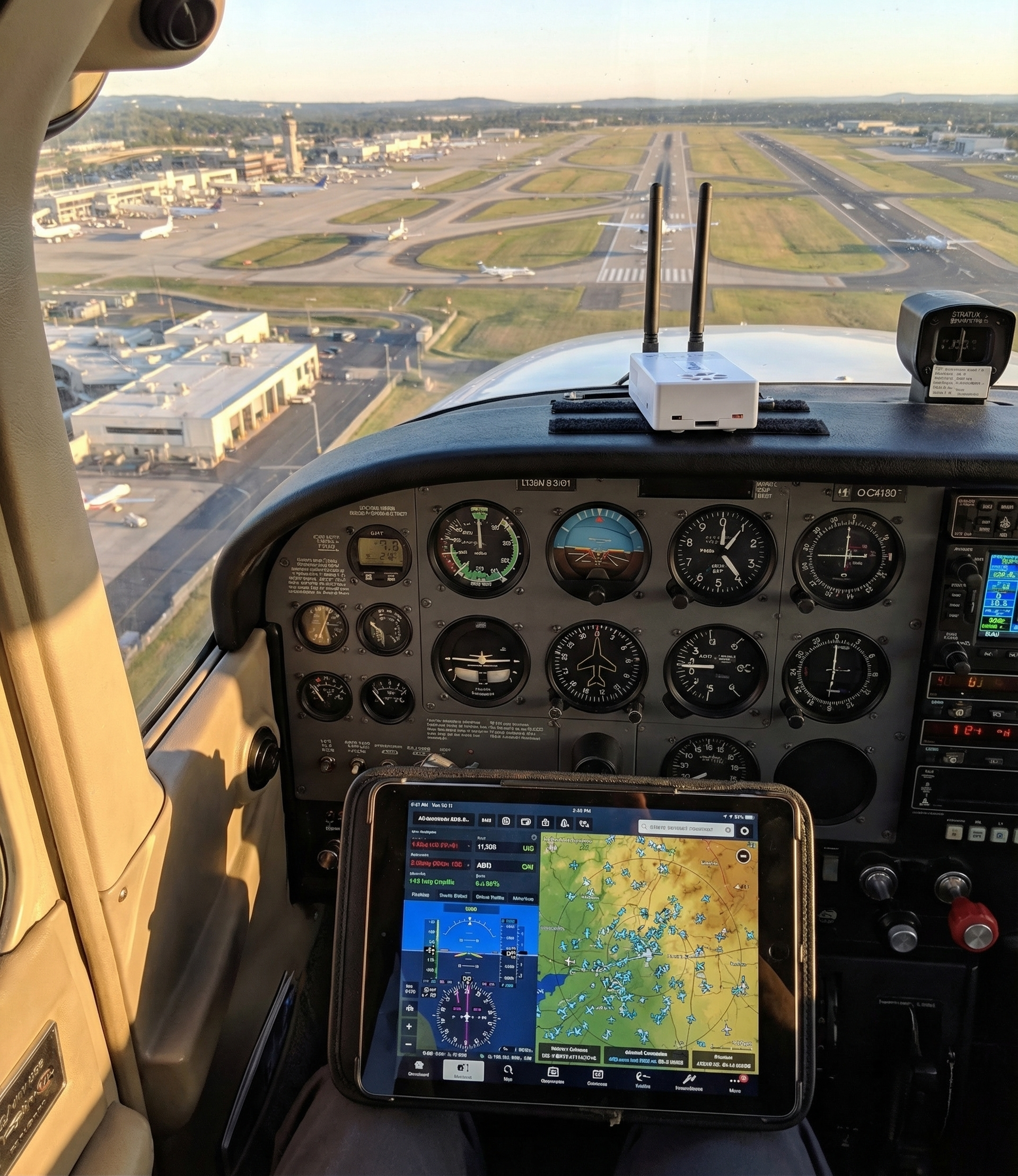
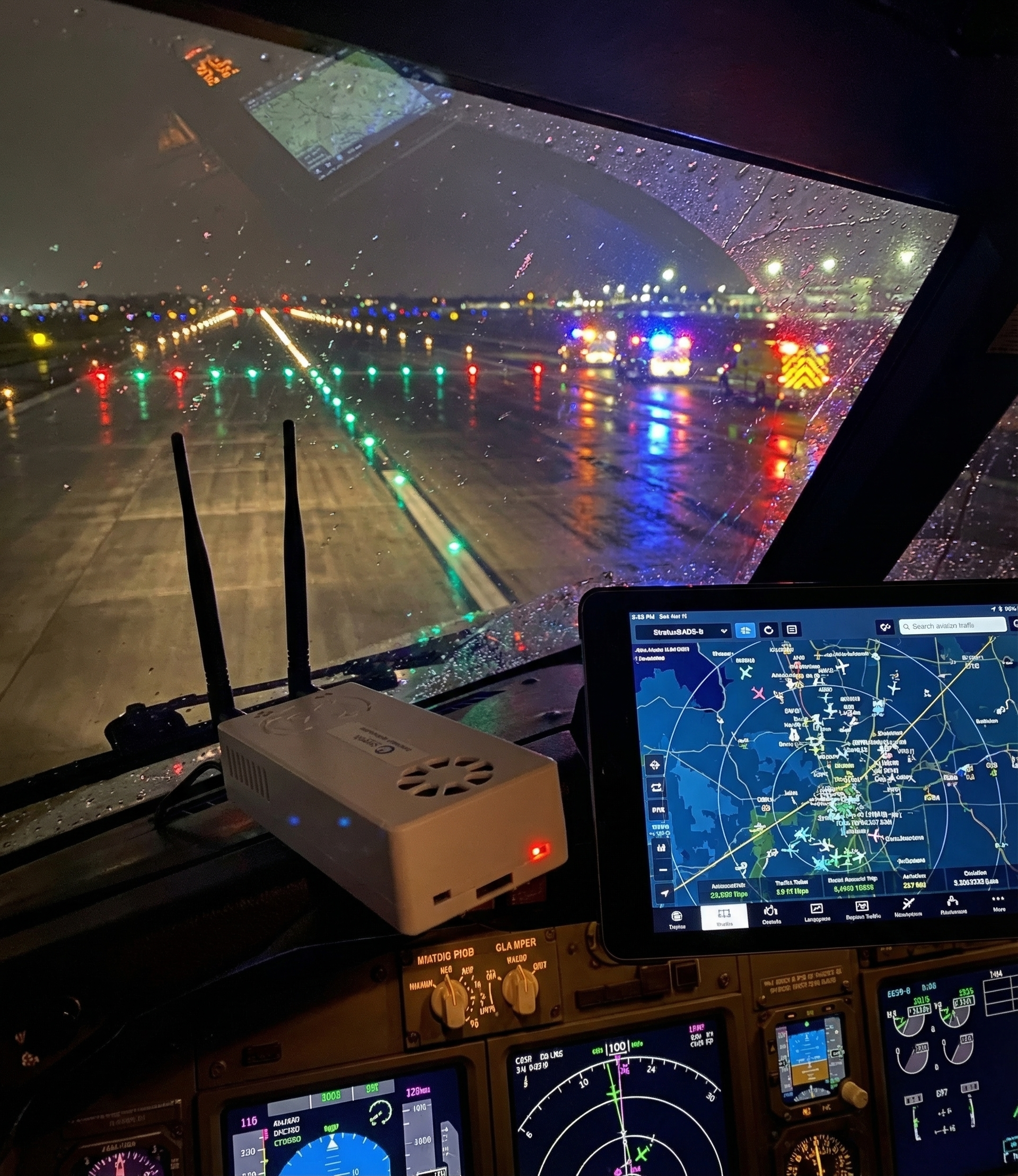
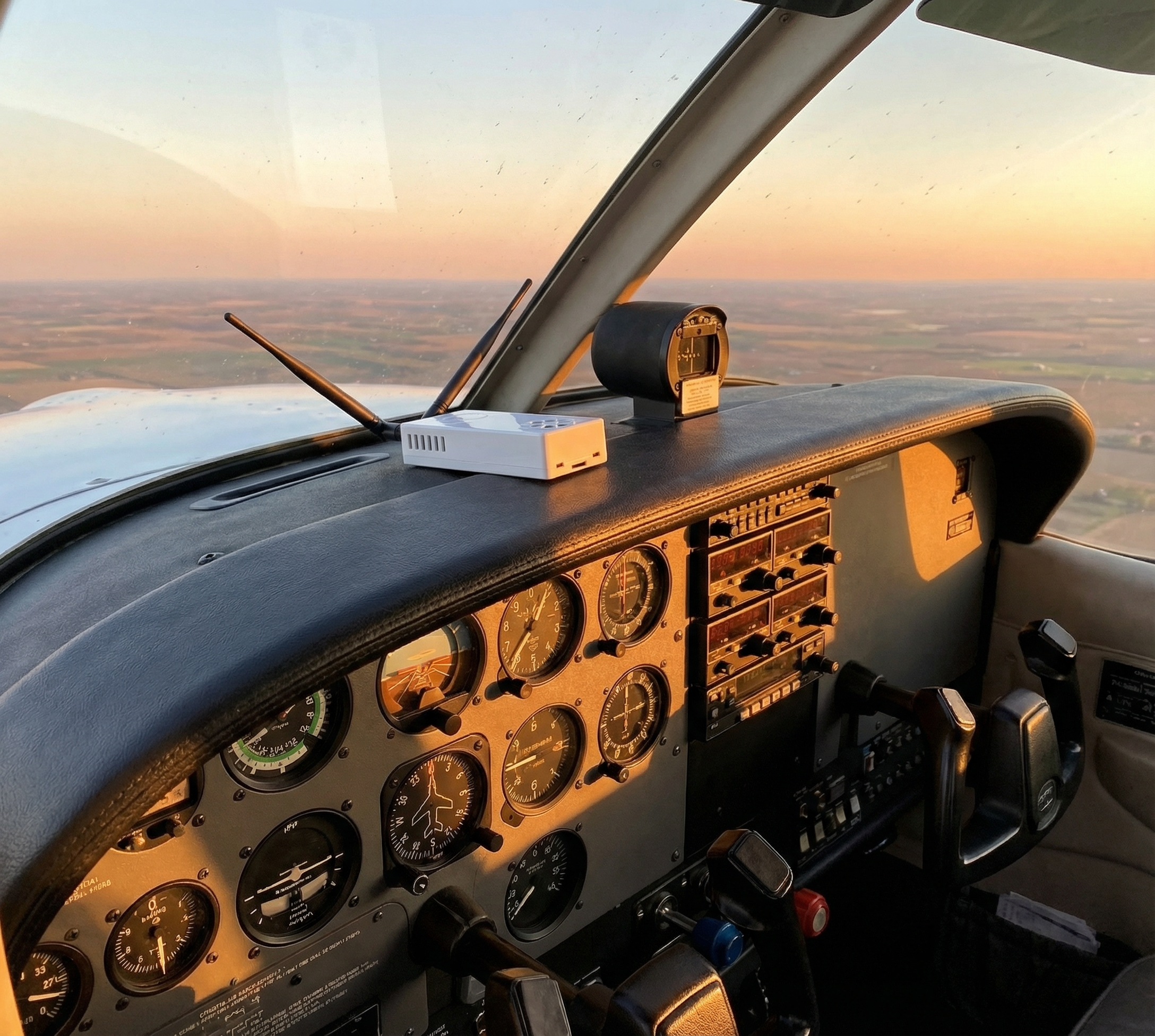
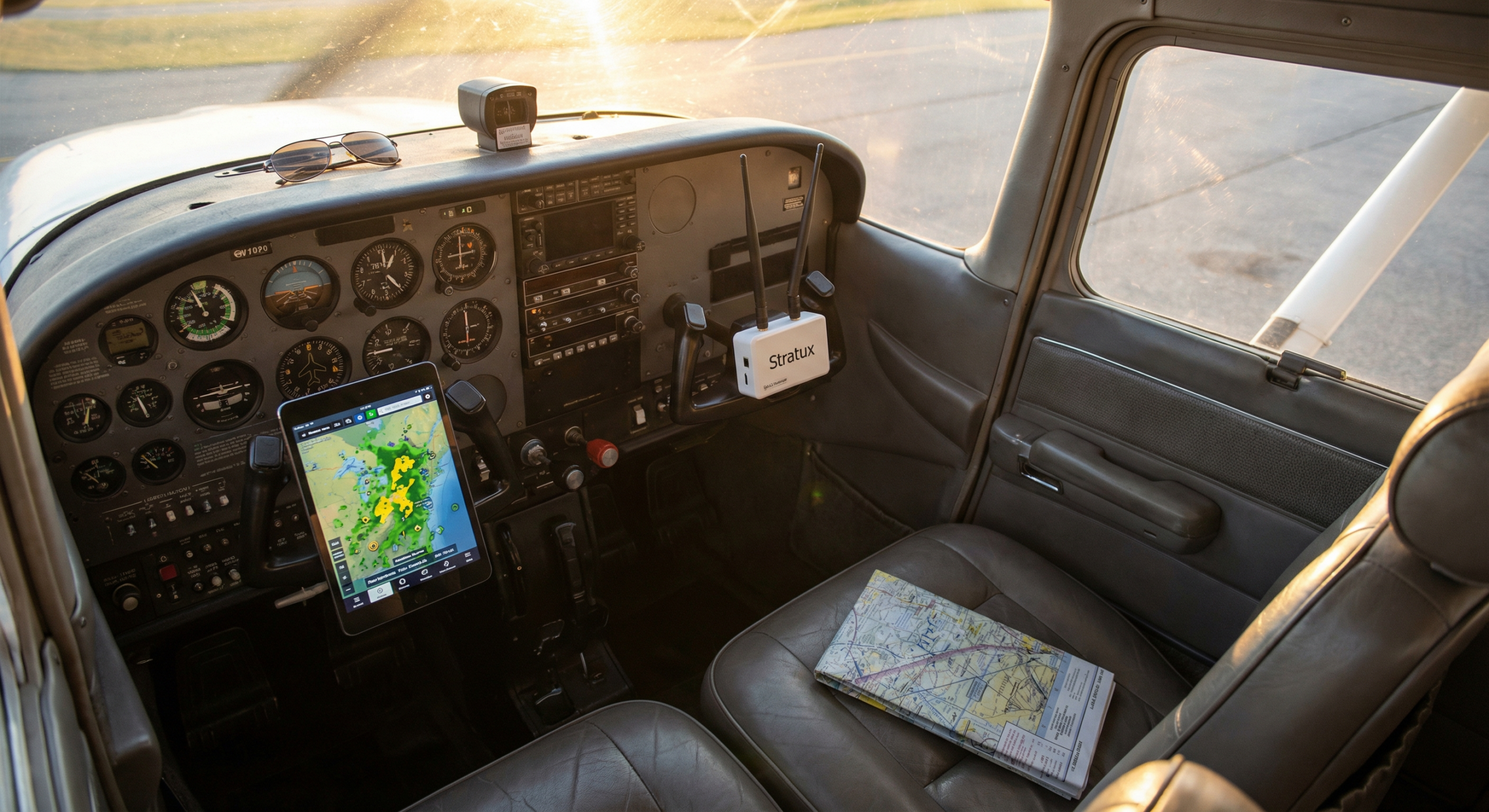
The other option: portable ADS-B In receivers. These connect to your iPad or tablet via Wi-Fi, display traffic and FIS-B weather in your EFB, and require no panel work. The NTSB Chair testified before Congress that this approach costs around $400. Portable receivers have been explicitly acknowledged as a valid compliance path in the legislative discussion.
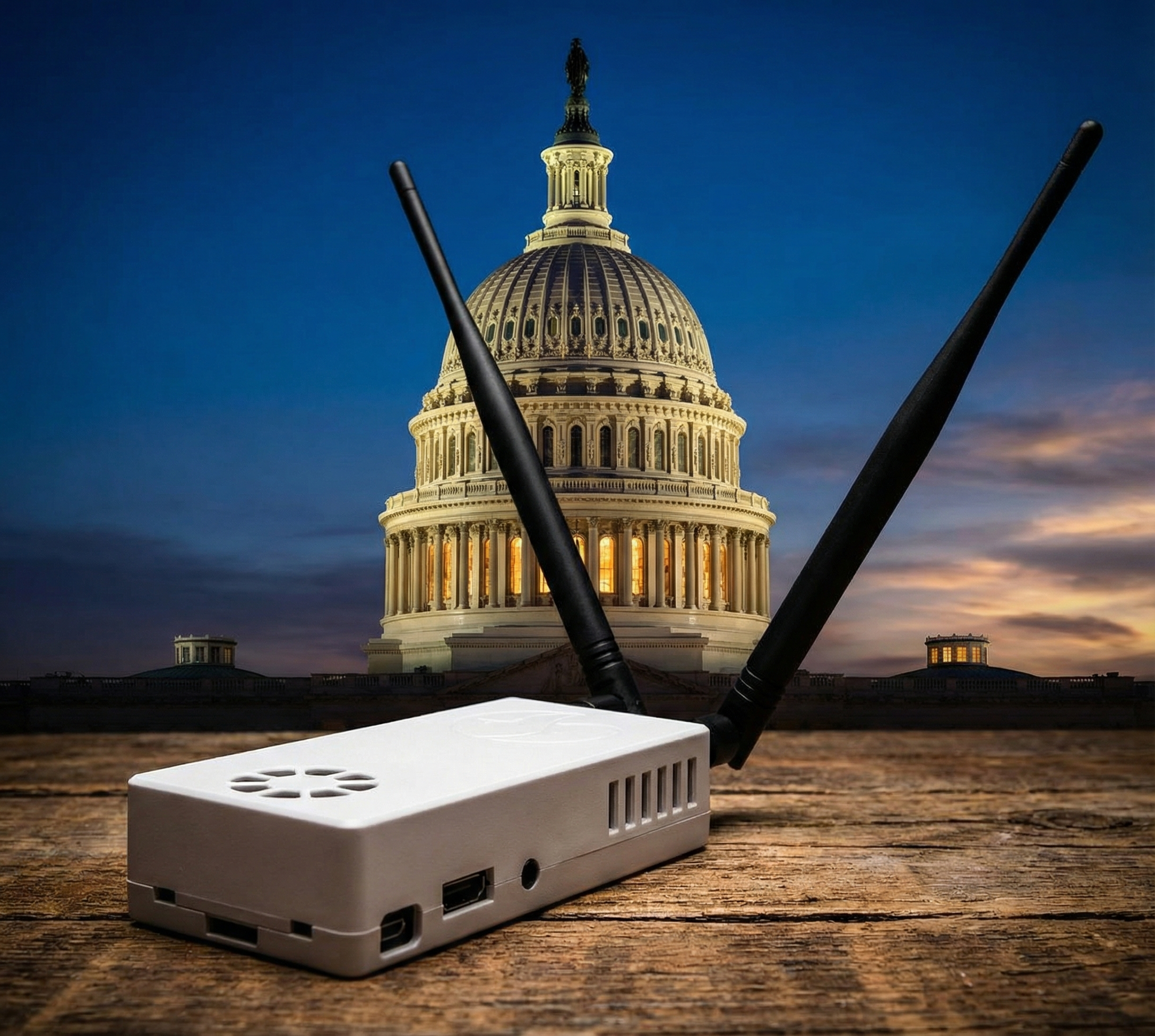
Stratux is an ADS-B In receiver. It receives both UAT (978 MHz) and 1090-ES traffic simultaneously, delivers FIS-B weather (NEXRAD, METARs, TAFs, PIREPs, TFRs, winds aloft), and connects wirelessly to ForeFlight®, FlyQ, Avare, and most other EFBs. Coverage works in the United States and Canada, where CIFIB towers provide UAT service.
The pre-built Crew Dog Electronics Stratux starts at $439.99 with internal GPS. No subscription. No recurring fees. If a component fails, you replace the component — GPS module, antenna, battery — not the entire unit.
See the Stratux pre-built with internal GPS →
Portable vs. Panel: Which Counts?
This is the open question the FAA rulemaking will answer. The ALERT Act directs the FAA to determine the appropriate technical standards. The ROTOR Act specified ADS-B In with a flightdeck display tied to traffic alerts.
What we know now:
- Portable ADS-B In receivers have been repeatedly cited in congressional testimony as the affordable GA compliance path.
- The FAA has not yet issued a final rule defining portable vs. panel-mounted compliance.
- NTSB recommendations focus on pilots having situational awareness of nearby traffic in the cockpit. A Stratux connected to an iPad accomplishes this.
If you’re flying today with a Stratux, you have ADS-B In. Whether that satisfies the eventual mandate depends on how the FAA writes the rule. We’ll update this post when the rulemaking is complete.
What Should You Do Before 2031?
Practically speaking: nothing urgent. 2031 gives you five years. But here’s the honest pilot’s take.
The collision that triggered all of this happened because the helicopter crew didn’t have adequate traffic awareness. The technology to provide that awareness costs $440, ships in two days, and works with the iPad already in your flight bag. The mandate is catching up to a problem that already has a solution.
You don’t need legislation to decide that knowing where nearby traffic is has value. Thousands of pilots have been running Stratux for years in Cessnas, Cirrus aircraft, backcountry strips, ultralight trainers, and yes, paragliders — not because they were required to, but because it works.
If you’re on the fence about ADS-B In, the legislative direction is clear: it’s coming. The cost is manageable. The setup is an afternoon project.
The Bottom Line
The ALERT Act is moving. ADS-B In will be required for most aircraft by the end of 2031. The affordable compliance path for general aviation pilots is a portable receiver paired with an iPad — the same setup Stratux has been delivering for years at around $400.
The political debate will continue. Expect conference negotiations, FAA rulemaking, and updates throughout 2026. What won’t change: the underlying technology is available now, it works, and it doesn’t require a panel tear-down.
Questions about Stratux setup? Start with our pre-built Stratux receiver or reach out through the contact page. We’re a small shop and we actually answer our support messages.
Sources: Senate Commerce Committee statement (March 26, 2026); House Transportation and Infrastructure Committee ALERT Act markup; AeroTime Hub “US Congress advances bill to require ADS-B In by end of 2031” (October 2025); NTSB Congressional testimony (February 2026).